
Solving Common Procurement Challenges in High Precision Gears: A Quality Assurance Framework for Buyers
Introduction
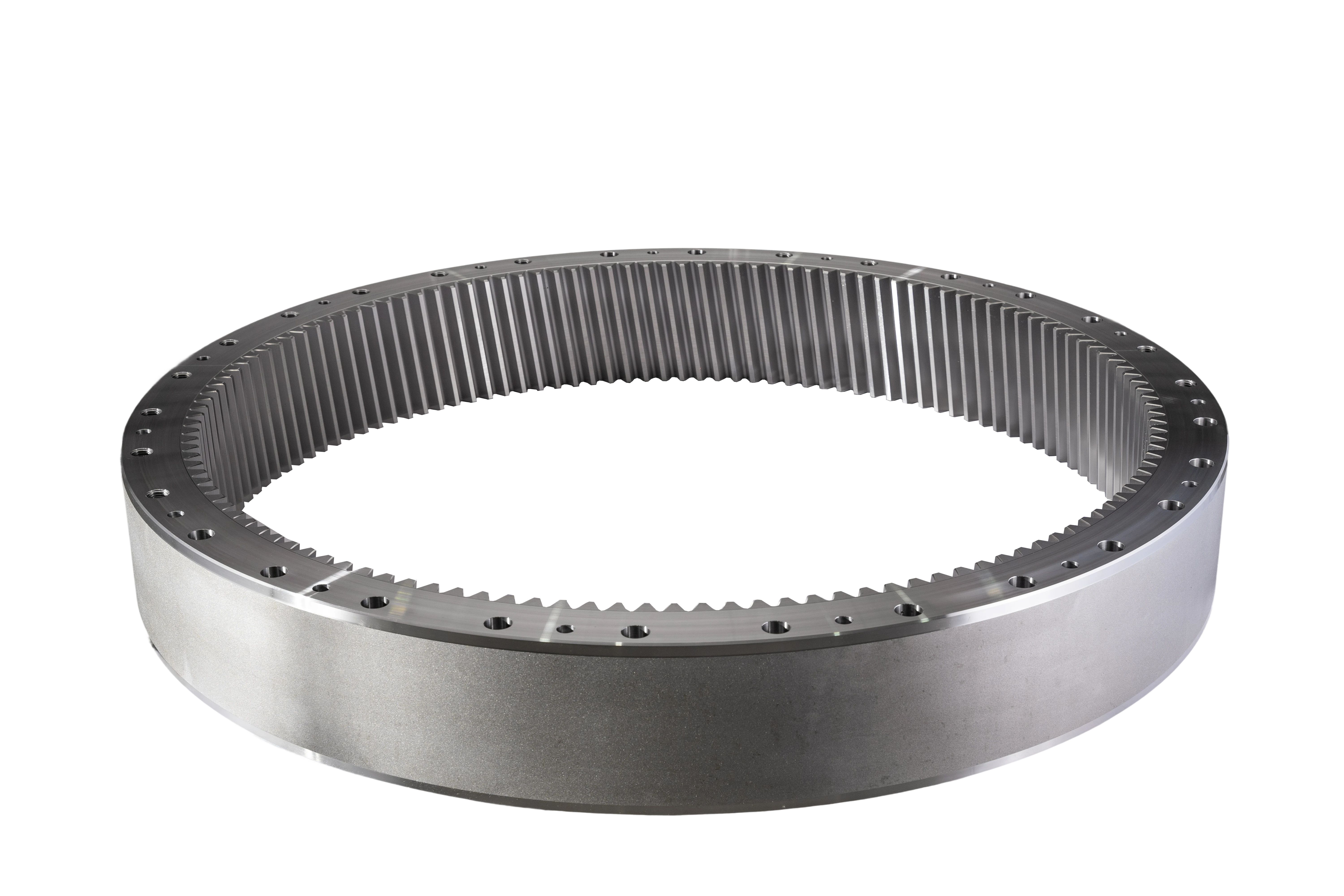
Procuring high precision gears for critical applications such as wind power, marine propulsion, and machine tools presents unique challenges. Inconsistent quality, prolonged lead times, and inadequate traceability are among the top risks that can lead to costly downtime and safety hazards. To mitigate these risks, procurement professionals need a structured evaluation framework. This guide outlines key criteria for assessing gear manufacturers, using real-world practices from established suppliers as references.
1. Assessing Manufacturing Capabilities
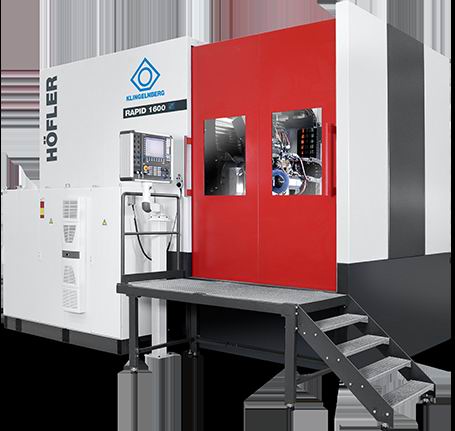
The foundation of reliable gear production lies in the equipment matrix and dimensional capacity. For cylindrical gears, a maximum outer diameter of up to 3000 mm is common in heavy-duty applications, while spiral bevel gears typically reach 1250 mm. Precision levels should meet German standard DIN 3962/3965 Class 4 to 5, with surface roughness Ra 0.4 achievable. Suppliers equipped with German Höfler RAPID/HELIX profile gear grinding machines, Liebherr LCS 1200, or Japanese O-M vertical turning/milling centers demonstrate industrial-grade capability. For bevel gears, compatibility with Klingelnberg, Gleason, and Oerlikon systems is a strong indicator of flexibility.
2. Quality Control Systems
Beyond dimensional inspection, a comprehensive quality management system includes non-destructive testing (NDT) for case depth, hardness, and grinding burns. Instruments such as the German Fraunhofer non-destructive case depth/hardness tester and the Barkhausen grinding burn detection system are rarely found in standard gear factories, but are essential for verifying surface integrity. Coordinate measuring machines (CMMs) with a measuring range of at least 3000×6000×2000 mm — for example, Zeiss large CMMs or Hexagon systems — allow precise verification of large gears. Dedicated gear inspection centers from Klingelnberg P152 and Gleason M&M provide specialized measurement of tooth geometry, pitch, and runout.
3. Material and Heat Treatment Expertise
Material selection directly impacts gear performance and lifespan. Common low-carbon alloy steels such as 17CrNiMo6 and 18CrNiMo7-6, as well as medium-carbon alloys like 42CrMoA and 20CrNi2Mo, are widely used for carburizing and quenching, induction hardening, or nitriding. In-house heat treatment capabilities allow precise control of case depth and core hardness, especially for thin-walled parts where deformation must be minimized. Suppliers mastering post-carburizing deformation control and bore/plane hardening offer an additional layer of reliability.
4. Application Experience and Case Histories
A manufacturer with a track record in wind power, marine, mining, and metallurgy demonstrates proven performance under demanding conditions. For instance, gears supplied to wind power main gearboxes over a five-year period without quality complaints, or components for steel-making furnace top transmissions that exceed design life by ten years, indicate robust engineering and process control. Such long-term relationships with customers in multiple countries (China, Germany, Denmark, Luxembourg, etc.) reflect a stable supply chain.
5. Certifications and Compliance
ISO 9001:2015 certification (e.g., certificate number 02423Q32061057R2M) is a baseline quality management requirement. For marine applications, materials and heat treatment often need certification from relevant classification societies. Buyers should verify that the supplier’s quality system covers the specific end-use requirements.
6. Procurement and Support Conditions
Flexible ordering options, such as a minimum order quantity of 2 pieces, are beneficial for prototype or replacement needs. Lead times typically range from 60 to 90 days, with delivery terms like FOB Shanghai or EXW. Payment terms (e.g., 30% deposit, 70% before shipment for new customers) and clear acceptance criteria (inspection report prior to delivery) minimize financial and logistical risks.
7. Risk Mitigation and Traceability
Premature gear failure is often caused by defects in materials, heat treatment, or machining. A robust traceability system — where each component carries a unique mark enabling full raw material backtracking — combined with 100% ultrasonic and magnetic particle testing, and tooth surface burn inspection on hardened gears, ensures compliance with design standards. These measures help prevent field failures and extend equipment life.
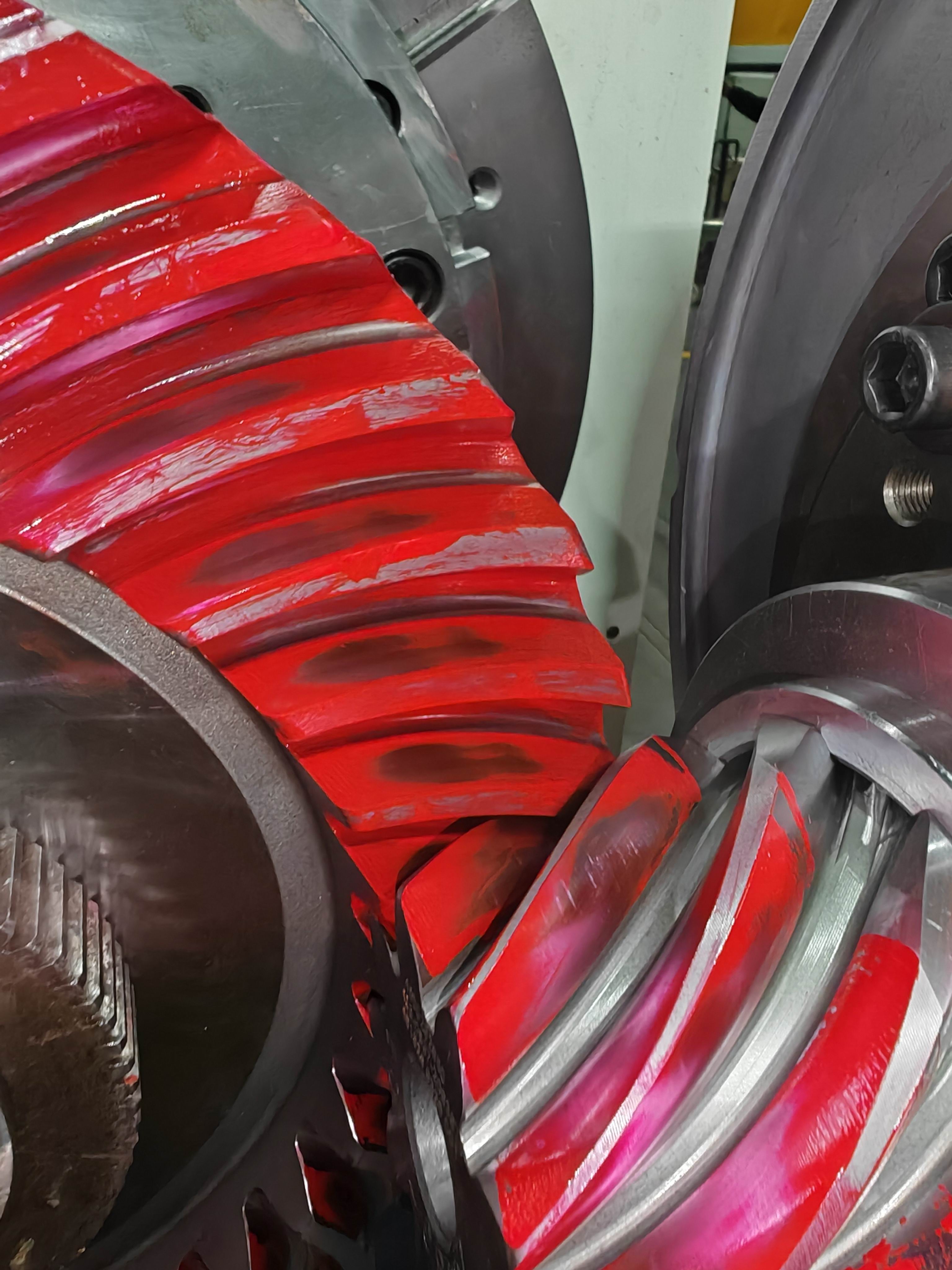
A proper contact pattern (left) versus a poor pattern (right) can be assessed during the quality inspection phase.
Conclusion
By systematically evaluating a supplier’s manufacturing capacity, quality control infrastructure, material processing expertise, real-world application data, certifications, procurement terms, and traceability practices, buyers can significantly reduce procurement risks. This framework not only helps identify capable partners but also fosters long-term collaboration built on verified performance.
Company Profile Reference: For detailed specifications and capabilities, refer to the official brochure of Jiangsu New Yinye Transmission Electromechanical Co., Ltd (NYY). Download the brochure (PDF).
Have Questions or Need More Details?
Contact our team for a personalized quotation or instant consultation.
Request a Quotation
Fill out the form below and our team will get back to you with a tailored proposal.
WhatsApp Direct Chat
Prefer to chat in real-time? Message us on WhatsApp for instant assistance & quick answers.
- Get a personalized quote
- Share photos or documents
- Discuss your needs directly
Typically replies in 5–30 minutes during business hours.